The Future of Software Engineering with AI: Six Predictions
👋 Hi, this is Gergely with a subscriber-only issue of the Pragmatic Engineer Newsletter. In every issue, I cover challenges at Big Tech and startups through the lens of engineering managers and senior engineers. If you’ve been forwarded this email, you can subscribe here. The Future of Software Engineering with AI: Six PredictionsNotes from The Pragmatic Summit and ‘The Future of Software Development’ workshop
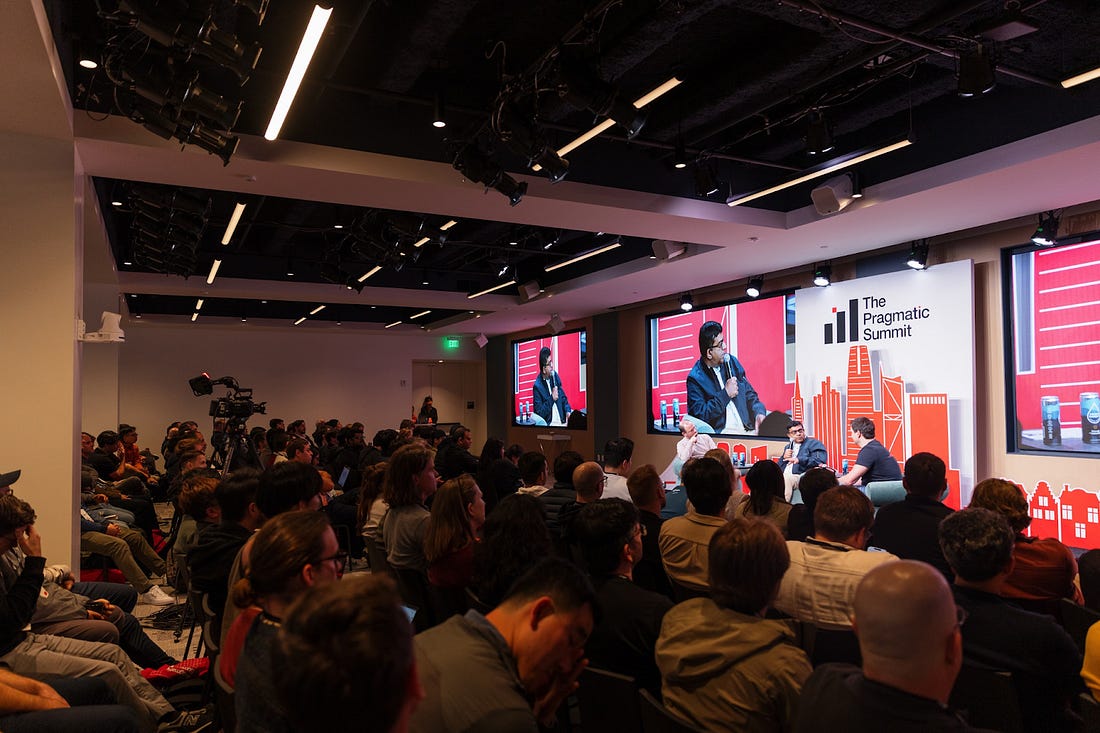
Two weeks ago, I hosted The Pragmatic Summit in San Francisco, a few days after attending a 50-person workshop entitled The Future of Software Development in Deer Valley, Utah. Each event attracted experienced software engineers, leaders, and deep thinkers to share thoughts about the state of the software engineering industry today and in the future. It was well-timed, considering that right now seems like a period of change for tech that’s unfolding faster than before. That was a consensus opinion at both events, also held by veterans like Martin Fowler and Kent Beck, who said things haven’t shifted so rapidly during their 50+ years in the industry. At the very start of this year, I predicted AI will write almost all code, going forward, and several others have said the same. But at the Pragmatic Summit, I met an embedded engineer writing Assembly and C code who is still writing more of his code by hand than with AI agents – and was the only person I spoke with in San Fran who was not yet “giving in” to AI agents. Even so, today, this engineer has between a third and a half of their own low-level code being generated by AI agents since the launch of Opus 4.5, and this share keeps on rising. Their view was an interesting counterpoint to the prevailing trend. This article shares some thought-provoking ideas and conversations from both events, covering:
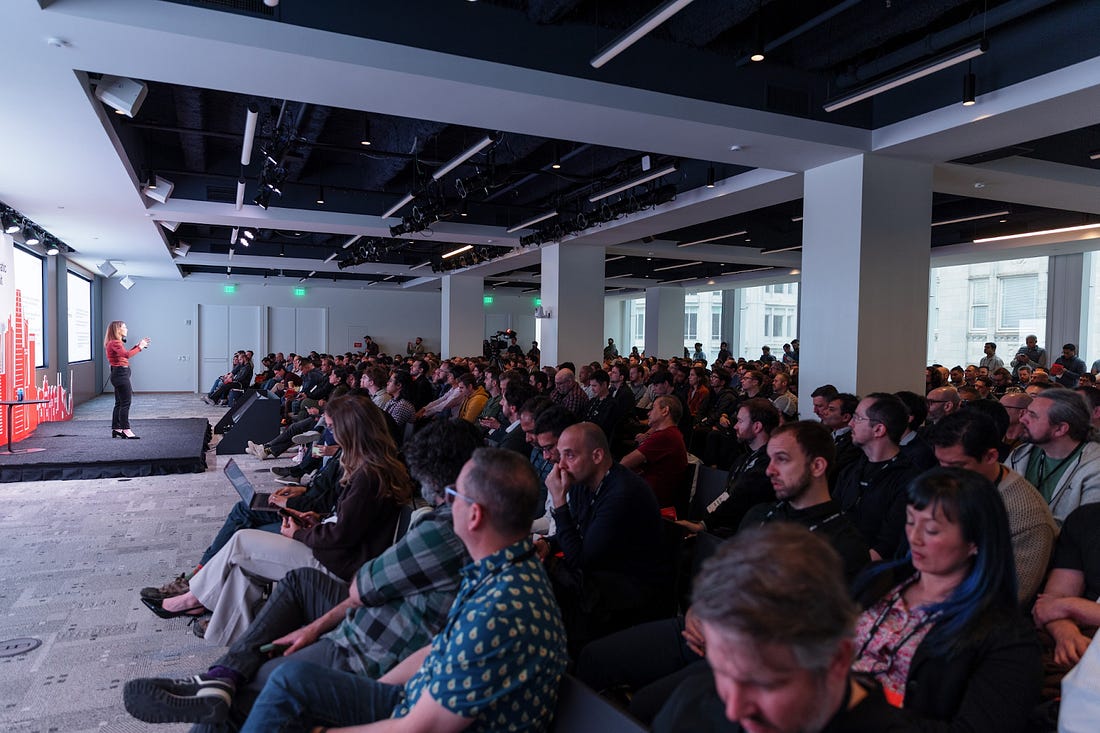
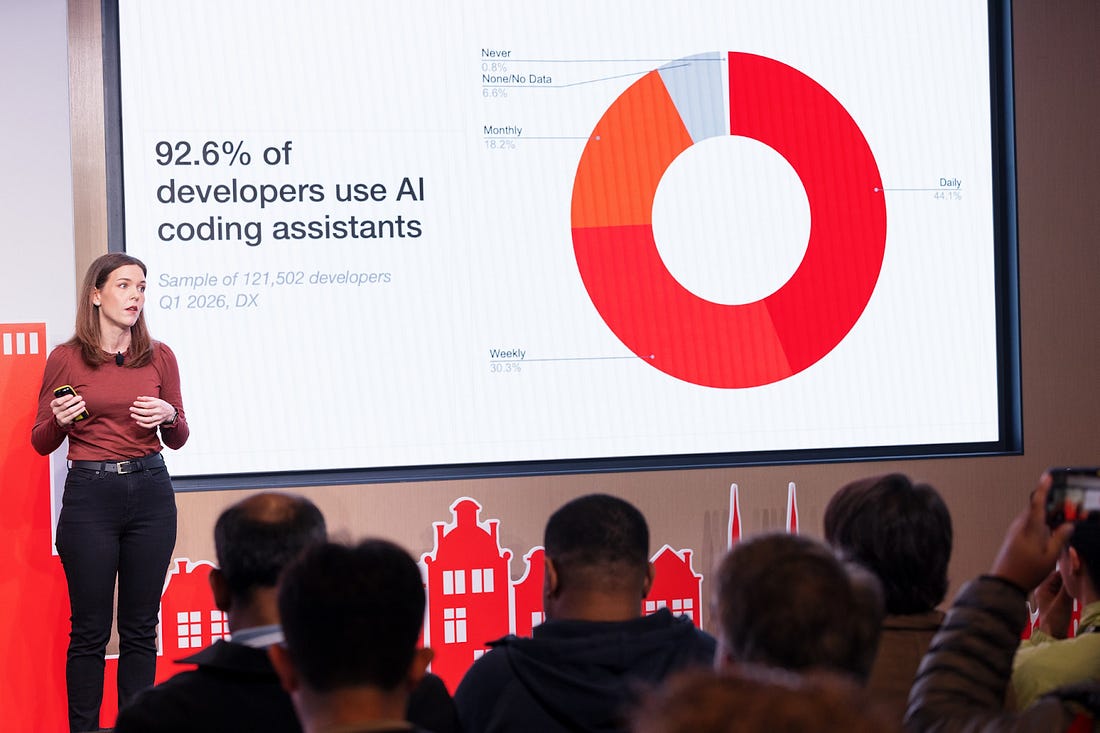
1. Data vs hype: how orgs actually win with AIAt the debut Pragmatic Summit in SF, Laura Tacho delivered the keynote as a well-known expert on developer productivity, and former CTO of DX. She presented new and exclusive data on AI usage, and what currently works with AI adoption. Her session was one of the most popular at the conference – and you can watch the whole thing here. Full subscribers also get access to Laura’s slides.
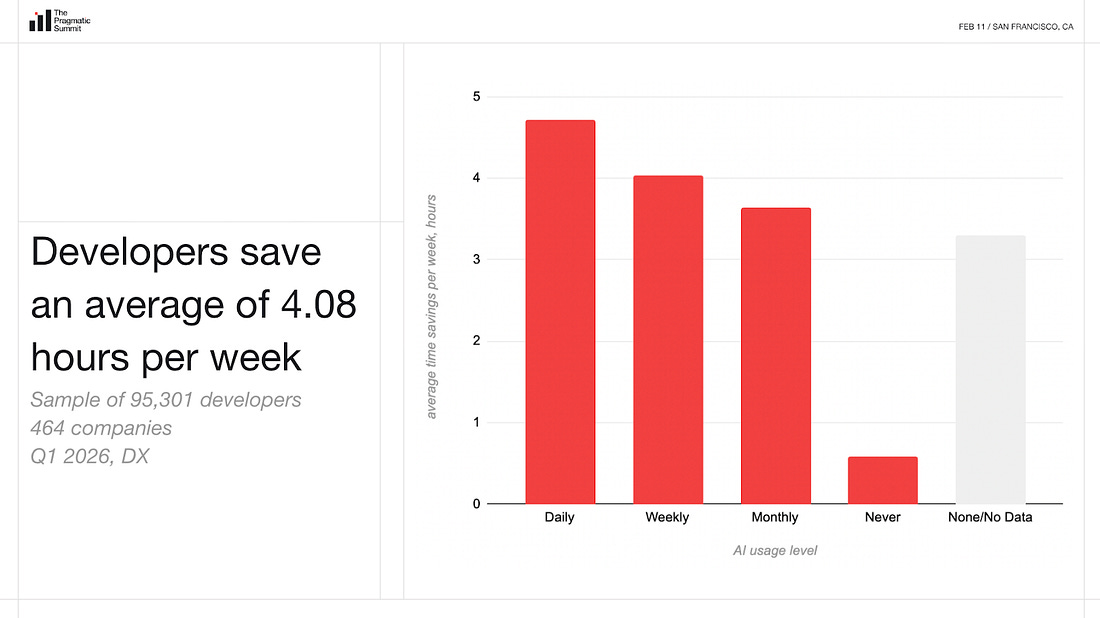
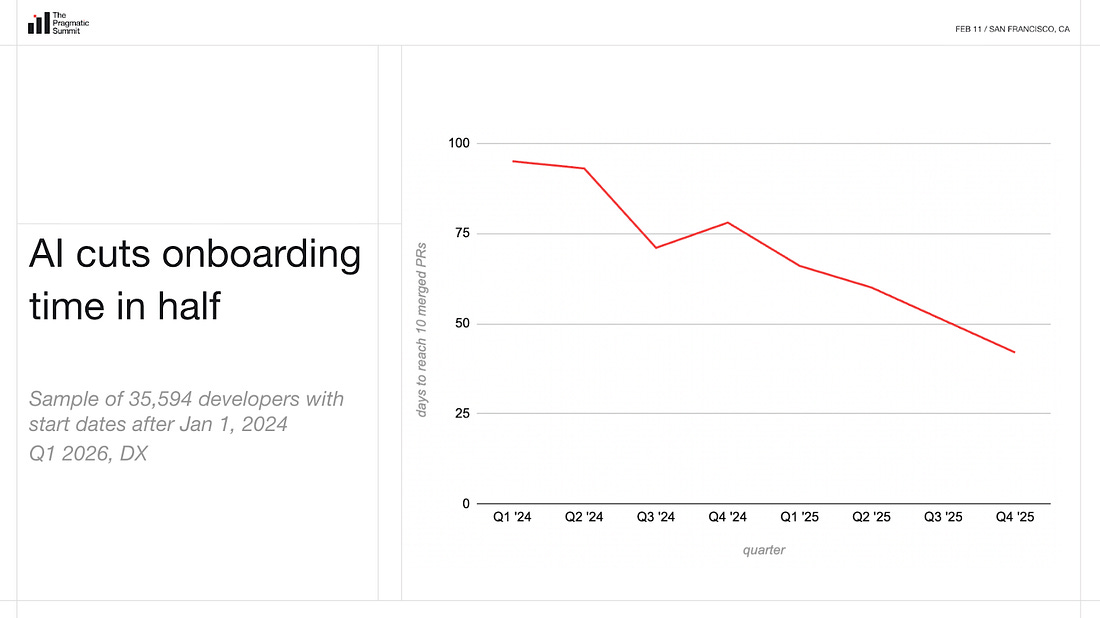
New data points on AI adoption shared at The Pragmatic Summit, provided by DX: Usage:
Time management:
Onboarding impact:
There’s no typical experience with AI, said Laura:
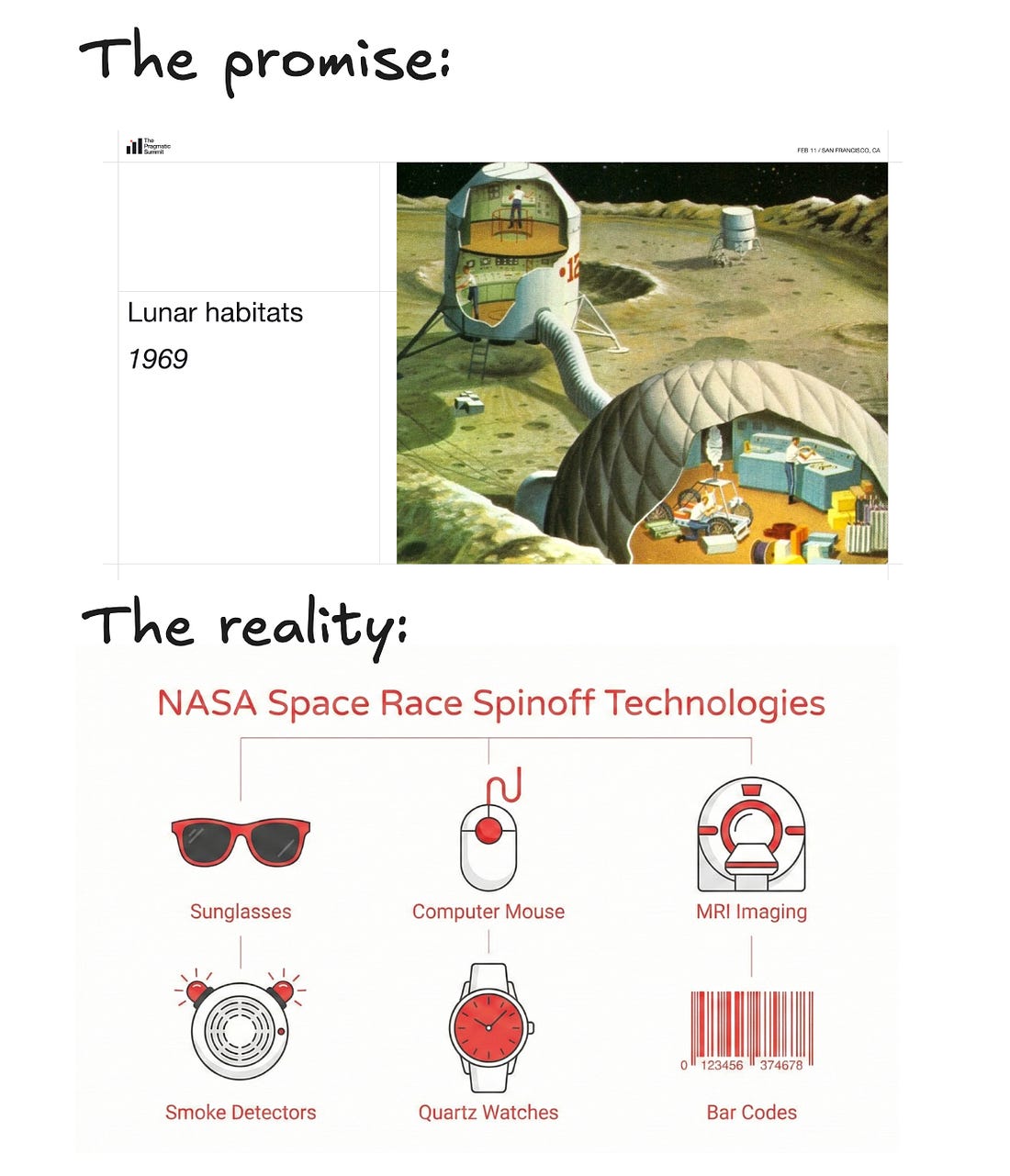
Good analogies for the age of AI might be the space race of the previous century and the age of exploration in the 15th-17th centuries, said Laura.
There’s a rare opportunity to channel the energy around AI into practical improvements, said Laura in closing remarks:
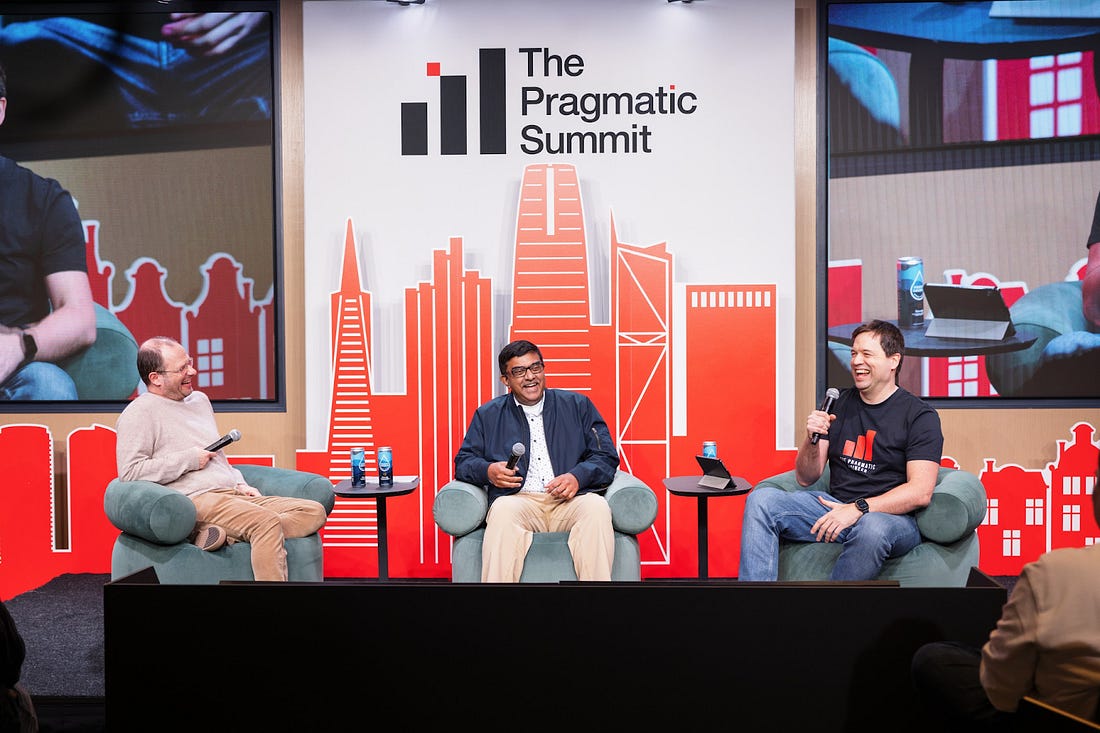
2. Building world-class engineering orgs in the age of AIAlso at the Pragmatic Summit, Thomas Dohmke (founder & CEO of Entire, and former CEO of GitHub) and Rajeev Rajan (CTO of Atlassian) took part in a fireside chat to explore what a modern, world-class engineering team looks like today. Thomas is building a new, AI-native startup with Entire – an “AI-native GitHub” – while Atlassian has more data than anywhere else on developer productivity after acquiring DX.
A number of timely, thought-provoking topics were covered by the pair on stage: Topic #1: What does an AI-native team look like?Rajeev (Atlassian):
Thomas (Entire.io):
Topic #2: AI makes being distributed an advantage againThomas:
Rajeev:
Topic #3: Why restrictive corporate IT gives startups a massive advantageOne hilarious exchange between Rajeev and Thomas was about how large companies are slow with AI due to restrictive IT:
Topic #4: Why CTOs are rolling out agents with top-down mandatesThomas discussed how engineering leaders introduce agentic tools after playing with them as side projects.
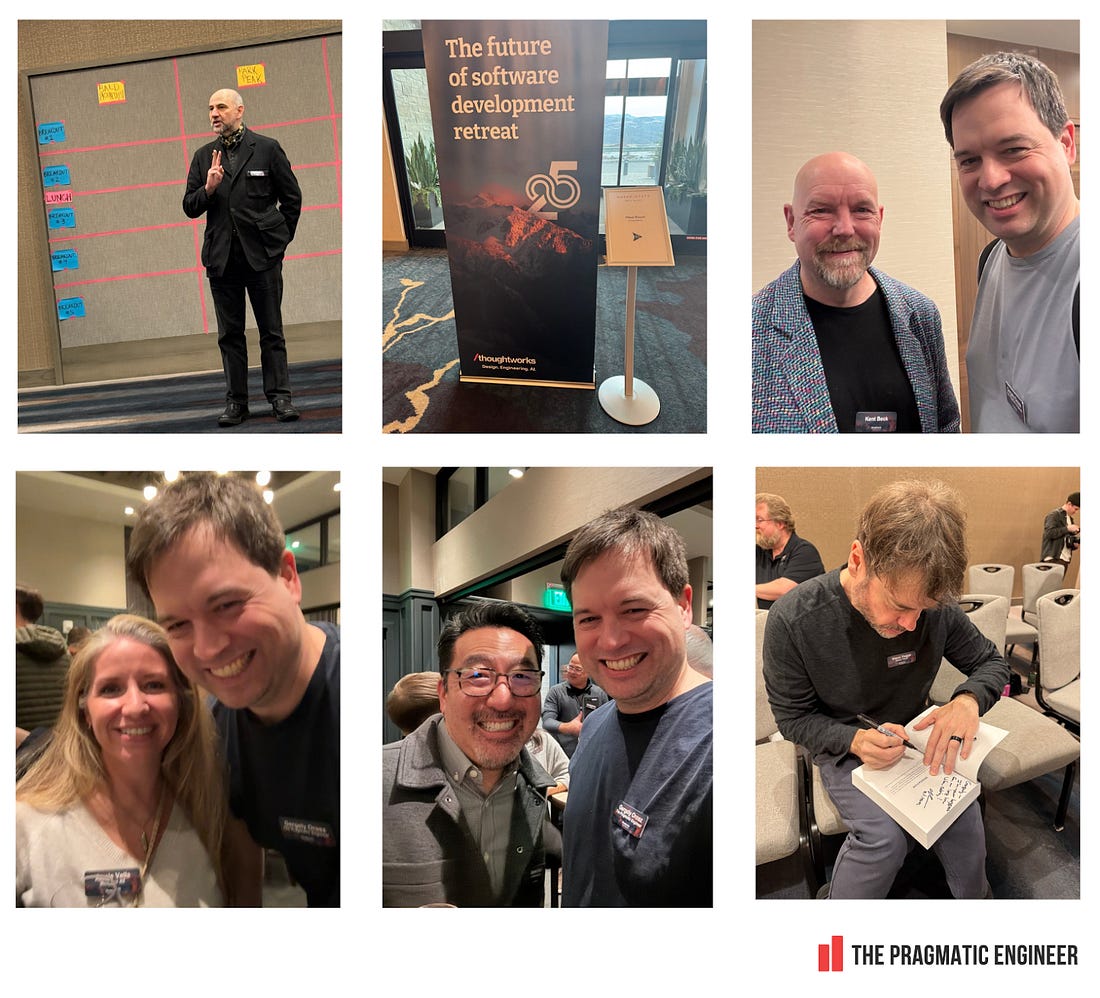
Claude Code was introduced in a similar way at Canadian fintech, Wealthsimple, as we covered two weeks ago. The fireside chat touched on more subjects, including the changing role of software engineers and engineering leaders, and the biggest changes Thomas and Rajeev expect this year. You can now also watch the other keynote session: How AI is reshaping the craft of building software with OpenAI and the Codex team. Full subscribers can already check out all sessions at The Pragmatic Summit, Q&A included. The other sessions without Q&As will be released next week for everyone. The remainder of this article covers an event hosted by Martin Fowler. 3. ‘Future of Software Development Summit’ with Martin FowlerBack in February of 2001, a group of 17 software developers gathered at a ski resort in Snowbird, Utah, where they drafted and signed the famous Agile Manifesto. Almost exactly 25 years later, Martin Fowler and Thoughtworks organized a retreat at almost the same place in Deer Valley, Utah. He invited around 50 tech leaders from large enterprises and nimble startups, researchers, authors, and experienced, hands-on software engineers. Held earlier this month, it was “The Future of Software Development,” and I was delighted to attend the two-day gathering featuring Annie Vella, Kent Beck, Steve Yegge, Gene Kim, Laura Tacho, – and of course, Martin himself.
This was no attempt to draft a second landmark manifesto; rather, it was an opportunity to share notes and consider where the tech industry might be headed. It was an intense day of back-and-forth about what we’re seeing and what to make of it. One declaration was drafted. Kent Beck, Laura Tacho, and Steve Yegge, came up with an apposite statement on inflated expectations upon AI to magically improve everything in workplaces:
Personal notesI have my own thoughts on the topics covered: Everyone, everywhere is adopting AI rapidly, which in some ways is very surprising. Looking back on tech innovation over the last 20 years, such as mobile, cloud, or even crypto – adoption was gradual. For example, native mobile progressed like this:
Contrast that to today, when it seems like everyone is moving all at once. I talked with folks from companies like John Deere (agriculture), 3M (industrial products), Cisco (networking hardware), WealthSimple (finance), AWS (cloud), and startups, and none could be called “behind.” Every company is rolling out agentic AI tools; for example, WealthSimple did a global Claude Code rollout just a week earlier. Based on past experience, you might expect at least some traditional companies with no exposure to AI to wait and see what happens. But I found none doing so. Traditional, “old school” companies don’t seem to be lagging behind the pace. A traditional company with 10,000+ developers has more than 50% of software development outsourced. This place founded an AI platform team with a mission to eliminate outsourcing activity via a mix of efficiencies from AI tools and targeted hiring. They have already built an AI debugging agent popular across the whole business that’s connected to all internal systems like monitoring, logging, and internal data stores. It helps a dev pinpoint any and all errors and bugs. This platform team is building more internal tools and hiring aggressively. It’s a similar story at other trad places: most are already using AI agents, some are experimenting with AI used for large-scale refactors, and others are seeking use cases for agent swarms. Smaller engineering teams are a certainty. Around 20 engineering leaders – many at large enterprises, some at tiny startups – said that engineering teams are shrinking. One head of engineering at a 200-year-old company in the agriculture sector put it like this:
To emphasize, this is one of the most traditional companies which sells physical goods and hardware, and whose business has no disruption to fear from AI. But they’ve also adapted! Observations from Laura TachoLaura was kind enough to share her notes on this event for this article:... Subscribe to The Pragmatic Engineer to unlock the rest.Become a paying subscriber of The Pragmatic Engineer to get access to this post and other subscriber-only content. A subscription gets you:
|




Comments
Post a Comment