Slow down to speed up: so much has changed in 6 months’ time

👋 Hi, this is Gergely with a subscriber-only issue of the Pragmatic Engineer Newsletter. In every issue, I cover challenges at Big Tech and startups through the lens of engineering managers and senior engineers. If you’ve been forwarded this email, you can subscribe here. Slow down to speed up: so much has changed in 6 months’ timeAn overview of what’s changed in engineering during the last six months, how various tech companies are changing how they work, and why slowing down could be a sensible strategy
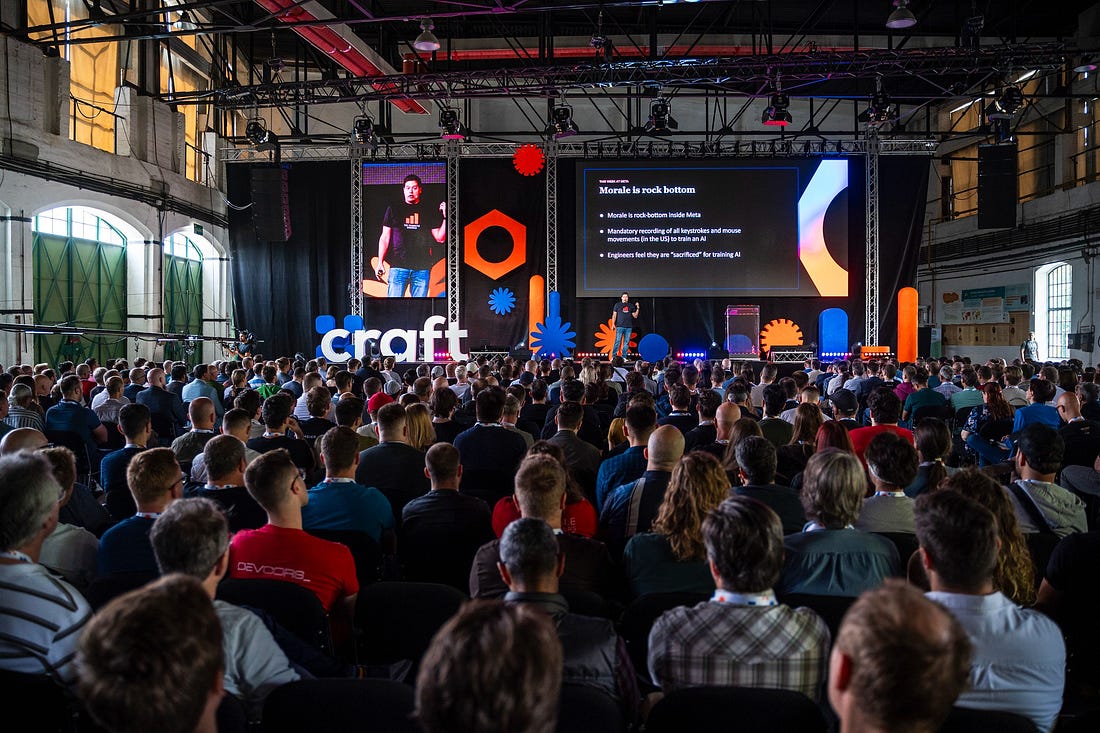
Scheduling note: there will be no edition of The Pulse on Thursday as I’m in San Francisco for the next week and a half, visiting AI labs and startups, and attending the AI Engineer World Fair from next Monday. For the podcast and Tuesday articles, it’s business as usual. Three weeks ago, at Craft Conference, in Budapest, Hungary, I opened the event with a keynote titled ‘Slow Down to Speed Up’. As with most of my talks, it came together in stages, including with some input from full subscribers to the Pragmatic Engineer, with whom I shared my thinking in advance, in ‘Ideas: slow down to speed up when working with AI agents’. Thank you for all the comments! As fate would have it, just two days beforehand, social media giant Meta appositely provided a real-world case study for my talk, with its most embarrassing outage of all time: users could simply ask the Meta AI to change the email of any account, and the bot happily complied – even if the account belonged to someone else entirely – including a former US president. It was a timely example to kick off the talk with. Check out the full keynote that’s available to view on YouTube: 
In this article, I summarize the key parts of my Craft Conference keynote in detail, and some responses received at the event. Full subscribers also have access to the slides, here, and at the foot of this article. We cover:
1. Meta: “AI psychosis” in effect?I thought it was a made-up story when I read that Meta had enabled account takeovers via a “zero auth” policy; i.e., simply asking the Meta AI bot was sufficient to change any account’s email address. After all, shipping such a regression would fly in the face of security measures, code reviews, automated testing, and metrics. Plus, the company has dedicated Integrity teams whose mission statement is to ensure something like this never happens… And yet, this bug shipped. It went undetected by anyone at Meta, and high-profile accounts like that of former US president, Barack Obama, were taken over as a result. Instagram’s dedicated Integrity team seems to have discovered the embarrassing issue via the news. As mentioned, it was two days before the Craft keynote, so there was enough time to ask around at Instagram and Meta. Engineers at the company there told me this disaster was caused by AI-generated, AI-reviewed code, along with layoffs, and by forced reassignments from Integrity teams and elsewhere onto AI labeling and related duties.
The problem at Meta seems to be that leadership is aggressively pushing AI, while withdrawing resources and headcount from areas responsible for security, quality, and reliability. Since last week’s deepdive into what’s been happening behind the scenes was published, I’ve learned further details:
Based on everything I heard from talking with Meta folks, AI-induced behavior was indeed at the heart of this outage. AI-generated, AI-reviewed code, and security teams being gutted, were also factors in the beyond-embarrassing incident. As reported in last week’s deepdive:
If major changes like data labeling assignments and staff tracking are undone, then perhaps things at Meta could return to normal. But so far, the most being done is that leadership has boosted budgets for snacks, travel, and events. Hardly the change needed to restore morale and the former culture! The comparison to the Lumon corporation in the hit show, Severance, was duly made:
Meta’s worst-ever outage can be interpreted as a warning about what happens when there’s so much focus on AI that the basic health of a company’s main – money-spinning – products is neglected. Instagram, WhatsApp, and Facebook generate the bulk of revenue for Meta, but the company is reallocating more engineers to training the coding model, and aggressively cutting the headcounts of vital orgs to do so – up to the point of not having oncall coverage for key services, and security teams being too stretched to do their jobs. Am I missing some insight about why it’s more important to build a state-of-the-art, likely-closed AI model that’s good at coding, than it is to keep operating revenue-generating businesses with stable infra? 2. Everything’s changed in six monthsIndependent, experienced software engineers with zero affiliation to AI labs have been saying for a few months that how we do software engineering has been transformed. David Heinemeier Hansson (DHH), creator of Ruby on Rails in January:
Simon Willison, creator of Django, in May pinpointed the start of the change to late last year:
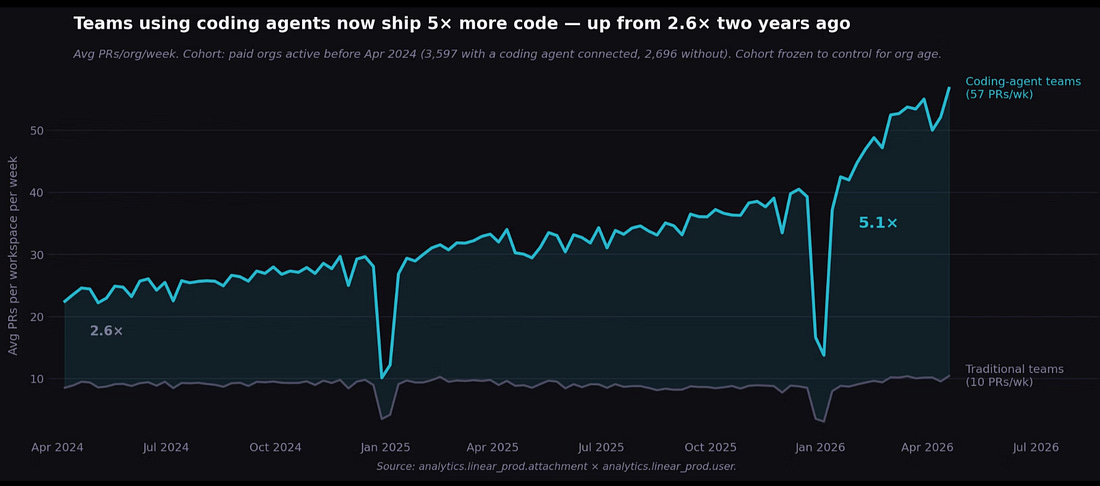
Teams using agents now ship 5x as many pull requests as two years ago. Here’s data from Linear:
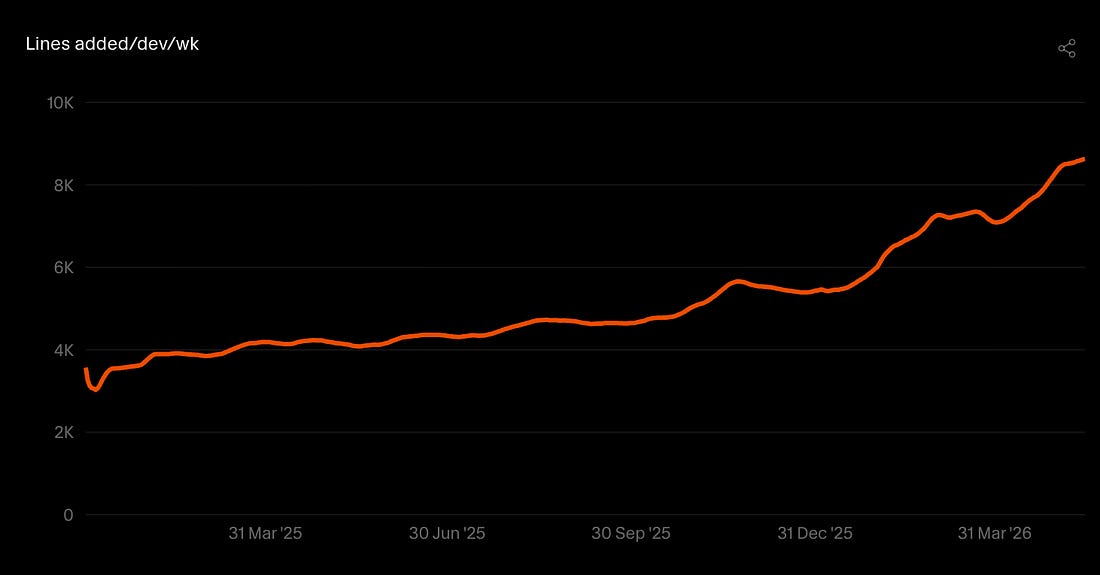
Devs using AI harnesses are producing 2.5x as much code versus 18 months ago. Data from Cursor shows that their users, on average, went from adding 3,500 lines of code in January 2025 to 8,600 today:
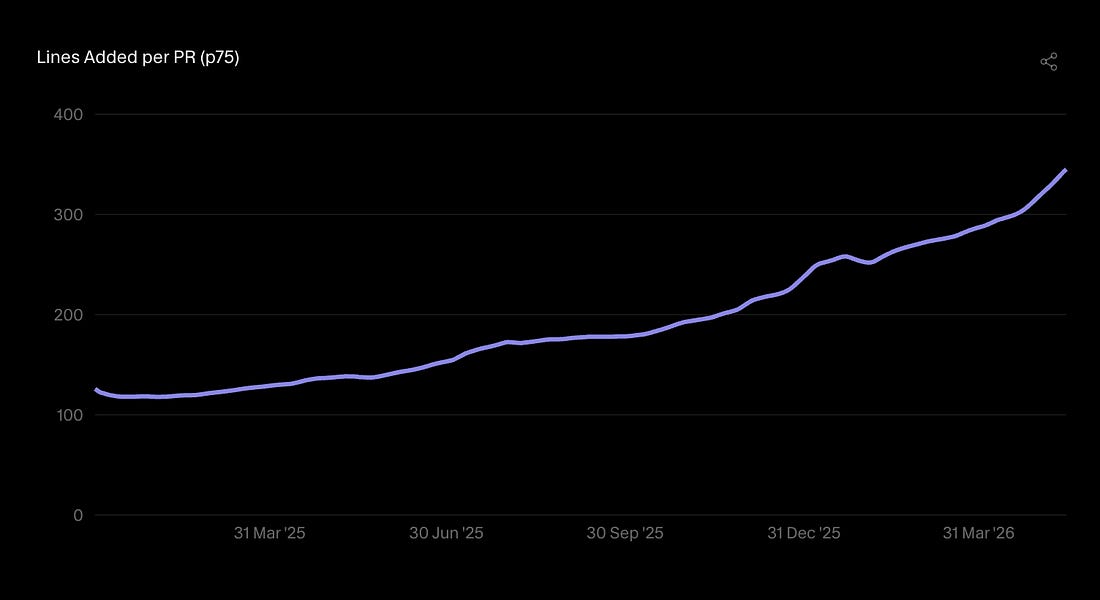
The size of pull requests is up 3x versus 18 months ago. Also from Cursor:
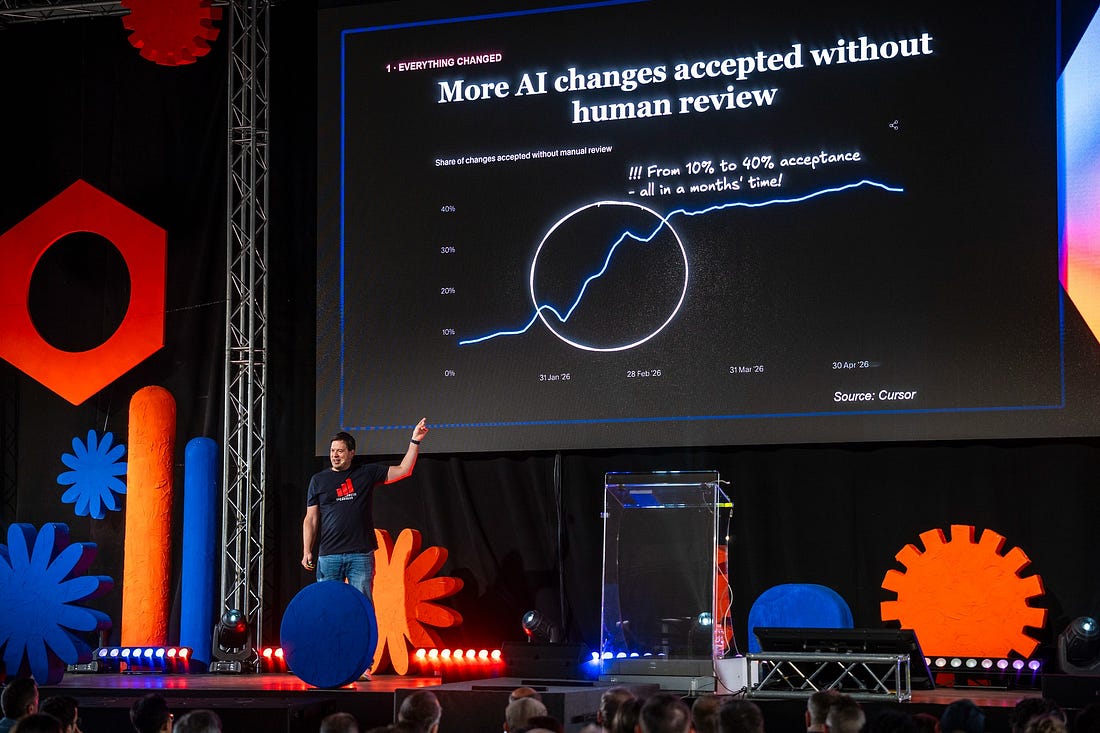
More AI changes are accepted without human review. Data from Cursor shows a big jump in changes being accepted without human review from around February this year, when Opus 4.7 and GPT 5.5 launched:
We’re seeing a lot more code generated, and less of it than ever being reviewed by devs. In the relatively short time since AI agents became really good last November, there are more pull requests generated by devs, those pull requests are getting better, and code reviews are harder to keep up with. And so, reviews are less stringent and more changes are shipped to production sans human review! As per my discussions with Meta engineers, these kinds of AI-generated, AI-reviewed pull requests [at Meta, they’re called diffs] are what caused the most recent, embarrassing outage at Instagram. 3. How are tech companies changing how they work?Details from a few larger tech companies: Anthropic: all-in on AI agents. In March, Boris Cherny, creator of Claude Code, was on the Pragmatic Engineer podcast and shared some details:
Since then, Boris has shared that his workflow has changed to setting up loops to run agents. OpenAI: moving much faster with AI agents. OpenAI’s Codex team was on the main stage at The Pragmatic Summit in February. Tibo Sottiaux (head of engineering, Codex, OpenAI) shared interesting details on how software development is done in the Codex team:
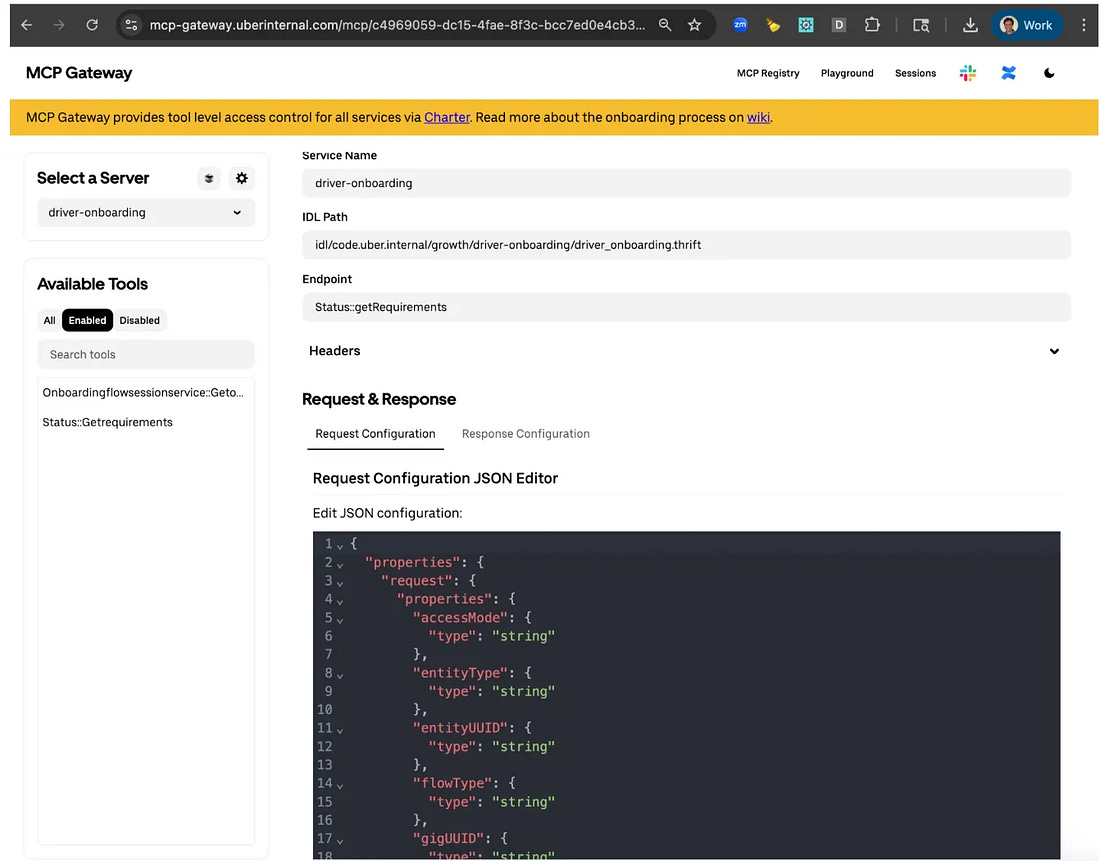
Google: AI widespread. Gemini is not as capable at coding as Claude or Codex, as acknowledged by Google’s CEO, but it’s widely used companywide. The less capable coding model could be hurting AI adoption compared to other companies. Uber: in-house AI infra. We covered in-depth how Uber uses AI for development, touching on internal systems like: Uber’s MCP Gateway:
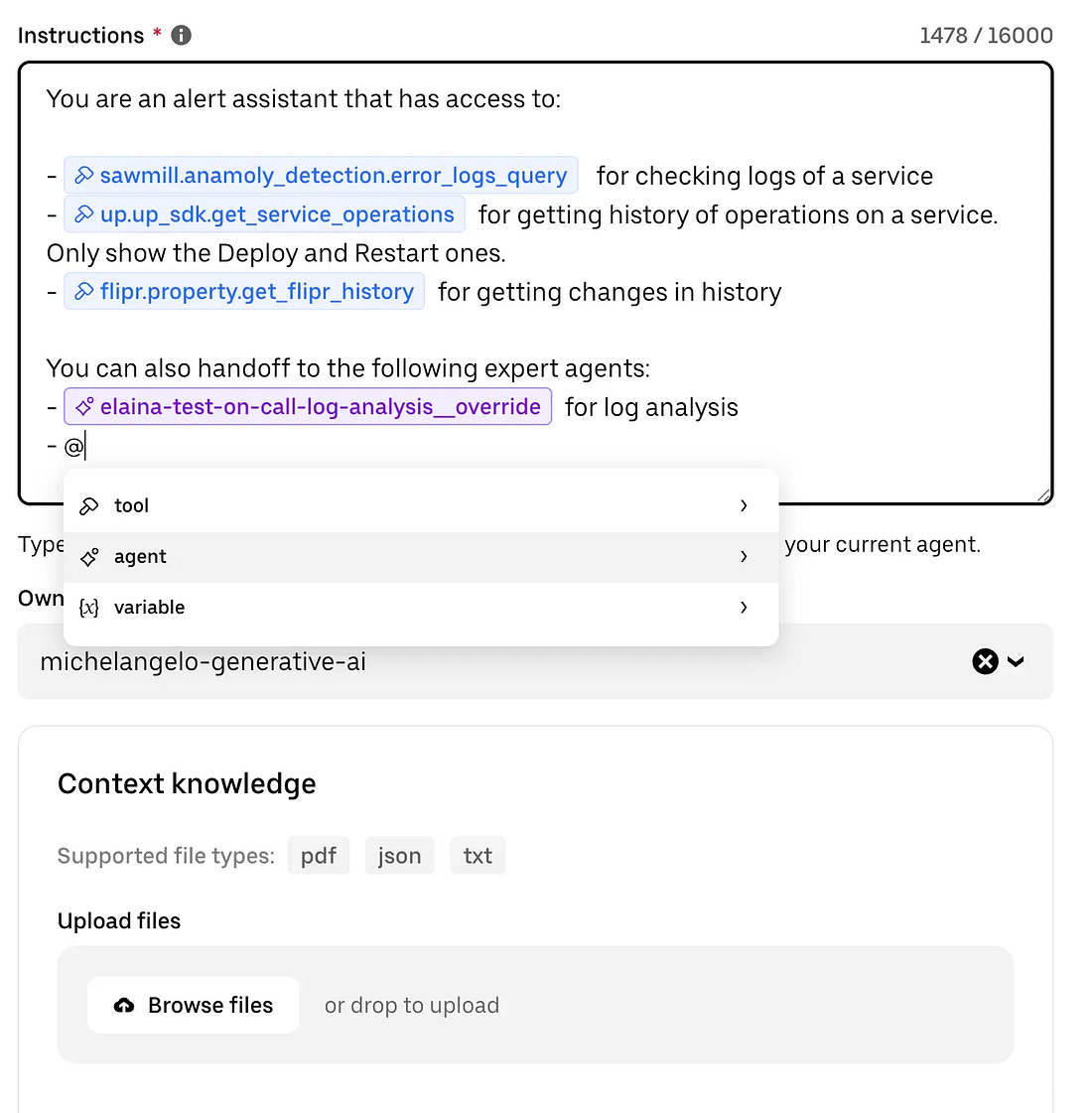
Uber Agent Builder:
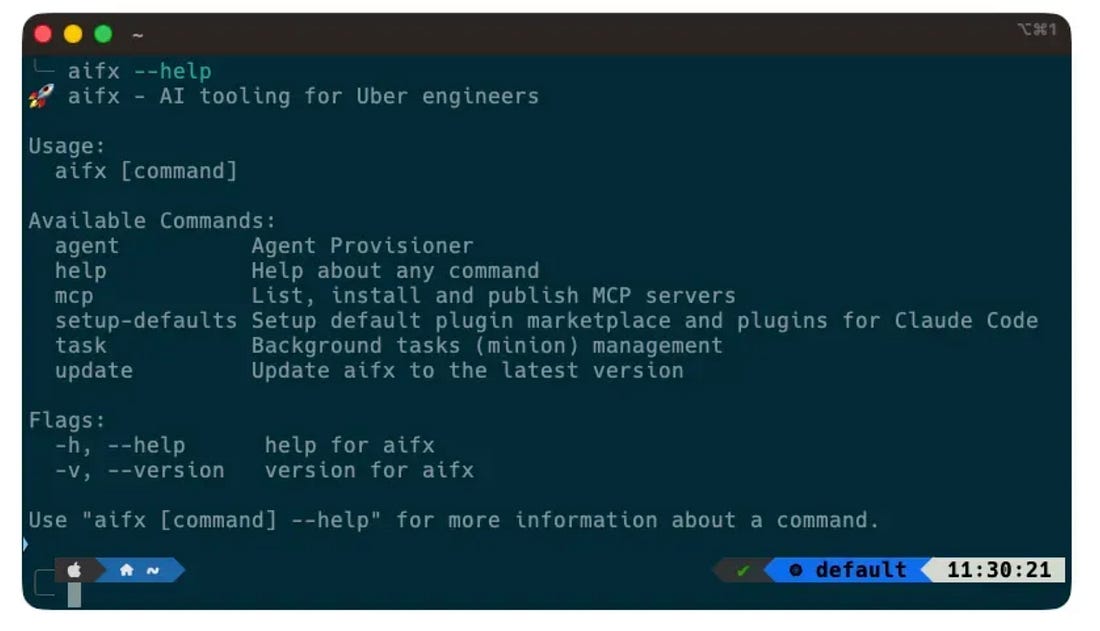
The AIFX command line interface:
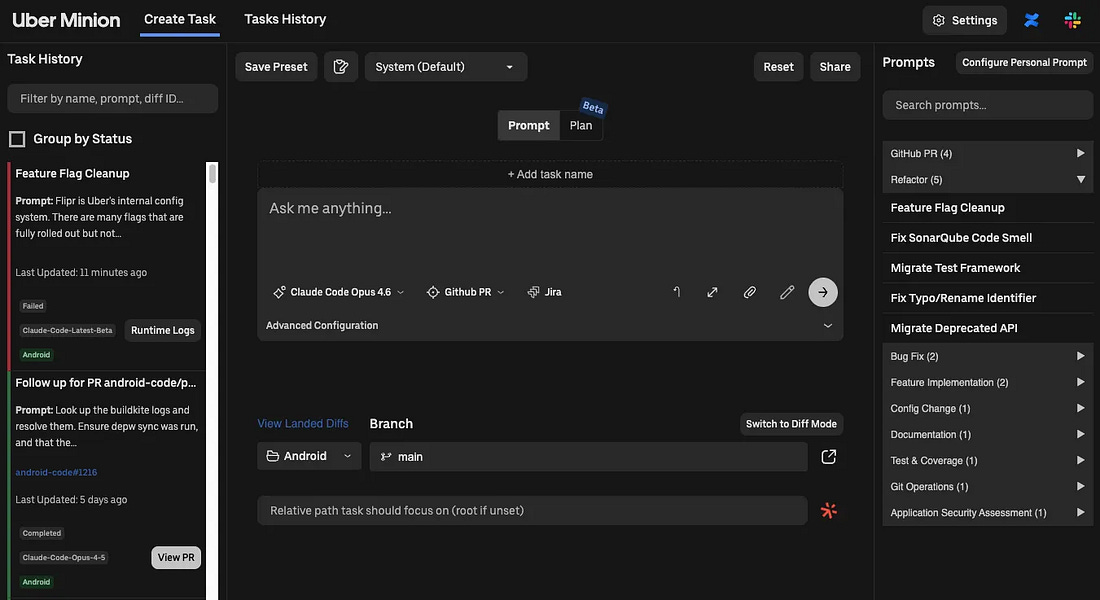
Minion: background agents
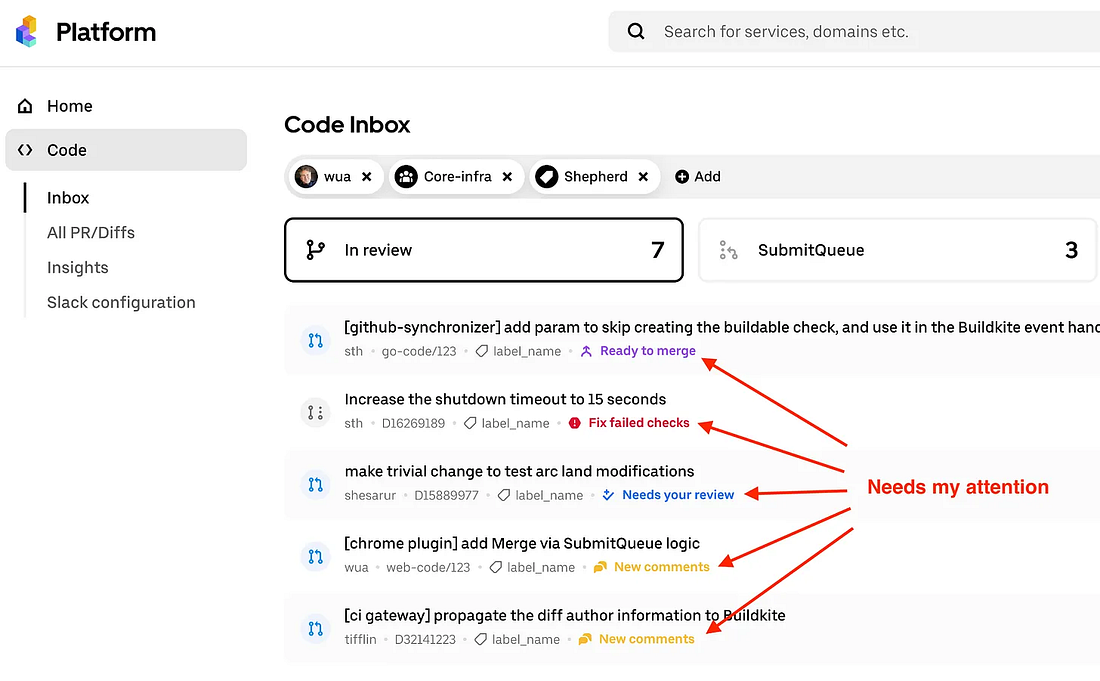
Code Inbox:
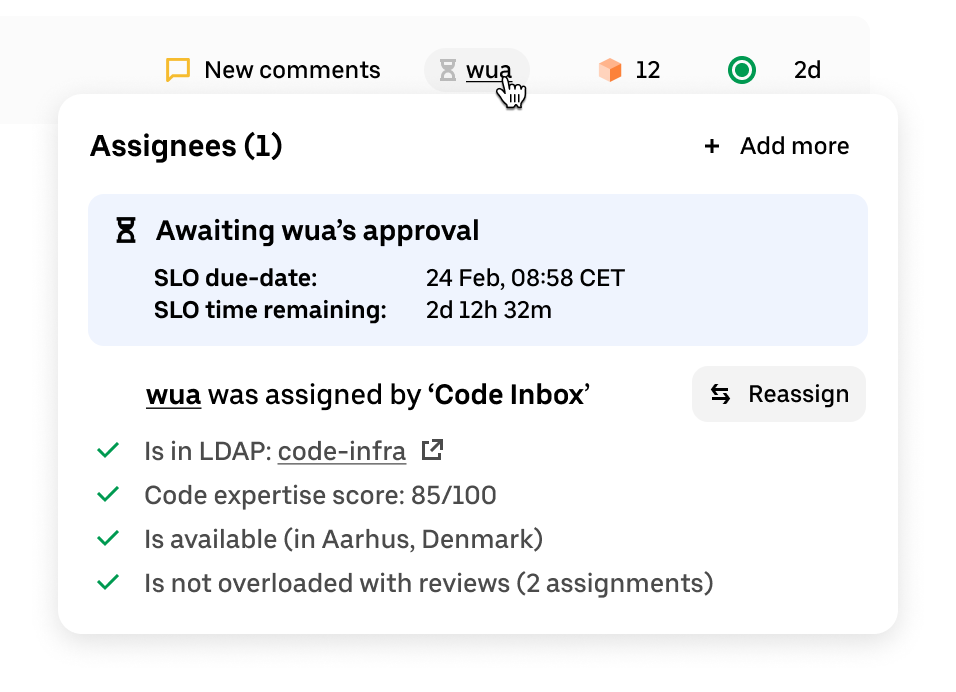
Smart Assignments as a neat feature of Code Inbox:
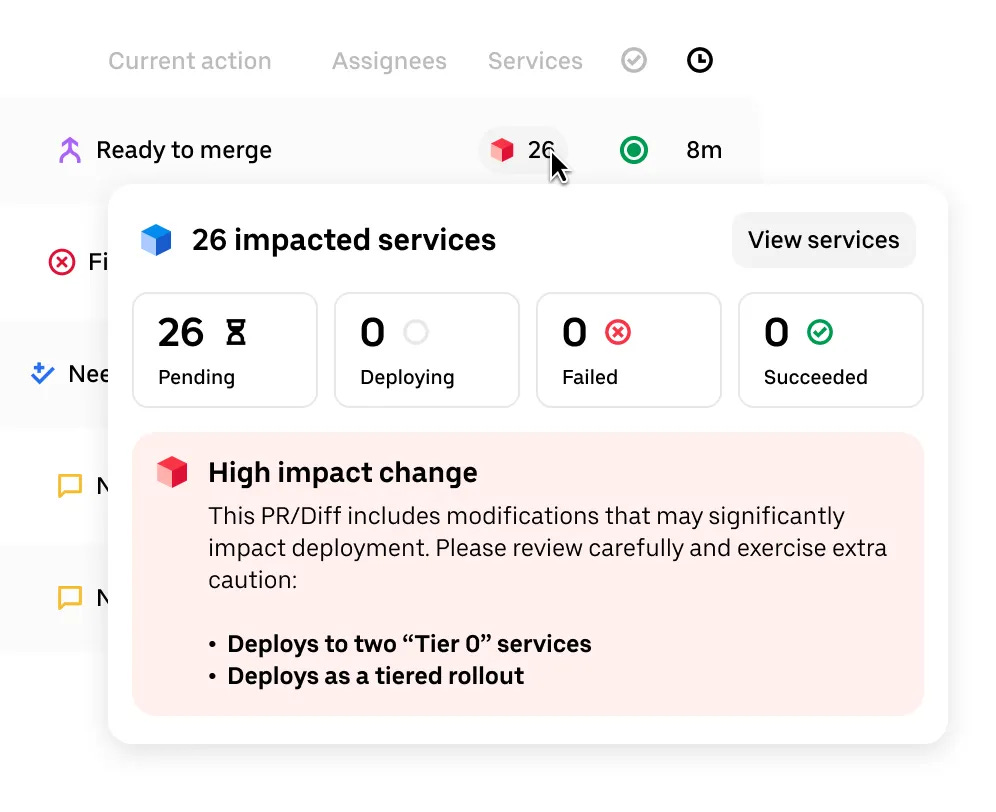
Risk Profiles: another smart feature inside Code Inbox:
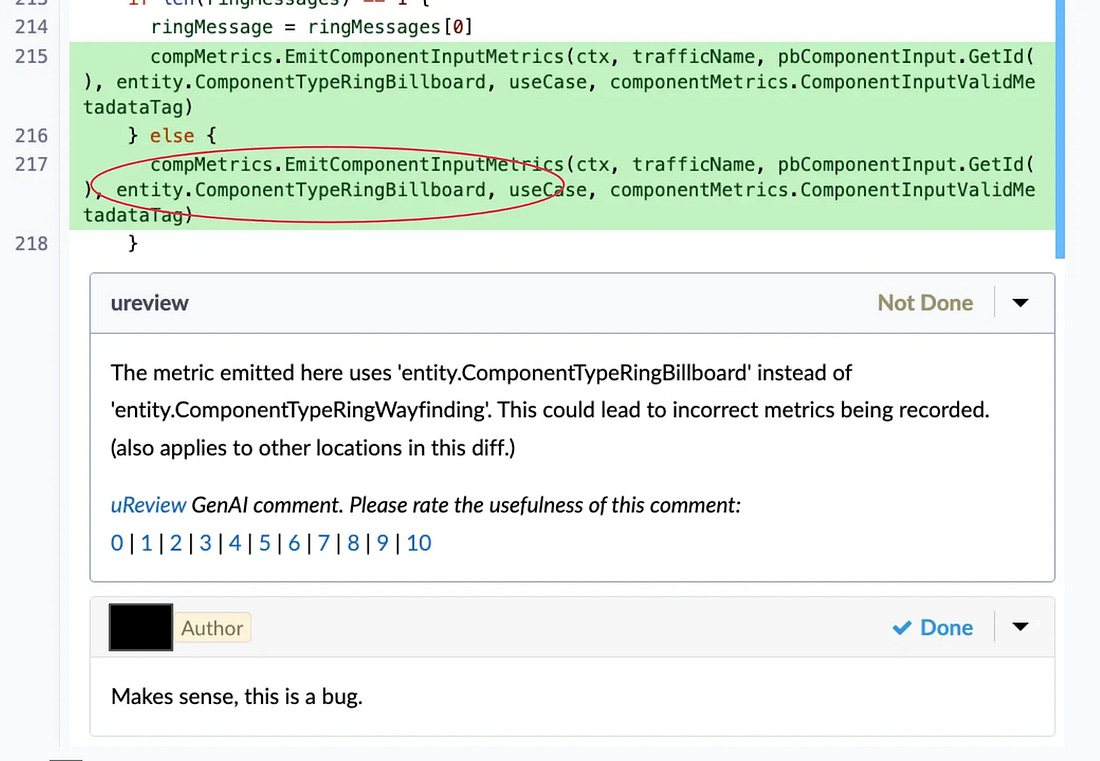
uReview, Uber’s AI code review tool:
Autocover and Shepherd for large-scale migrations:
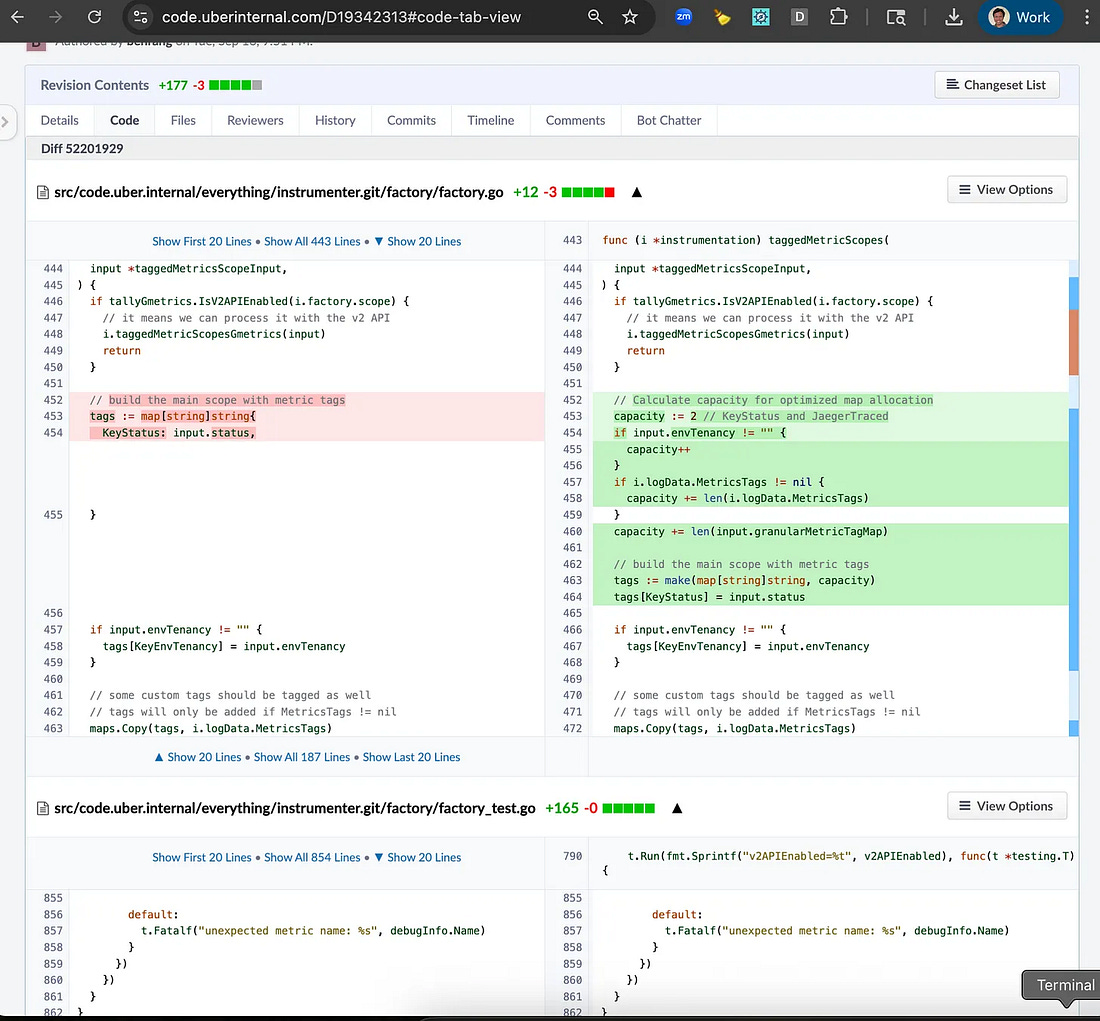
Uber is a good case for learning how much of internal developer infra needs to be rebuilt in order to work well with AI agents. Uber built all the tools above because they needed new, better ways to integrate AI agents into the developer workflow, but couldn’t find anything that worked up to requirements. I’d also point out how much time and effort Uber invested in making code review more efficient. Devs are, indeed, getting overloaded with AI code reviews and Uber’s Code Inbox tries to separate the important pieces of code to review from unimportant ones. Startups are jumping into using AI agents, although their integrations are more basic. In preparation for the keynote, I talked with several startups about their AI usage. Harnesses like Claude Code, Codex, Cursor, OpenCode and others are popular, and I also noticed most startups are heavily integrating AI agents into Slack, so devs can kick off bugfixes or small feature requests straight from the chat tool. I observed startups being the most likely to experiment with new AI dev tools; from code review, all the way to AI incident management tools. “Traditional” companies are also heavily investing in AI dev tools. At the recent Pragmatic Summit in San Francisco, Laura Tacho shared interesting details:
In general, “traditional” companies do not seem to be lagging behind in using, paying for, and adopting AI agents and AI developer tools. 4. Industry trendsThere are trends I’ve observed around the adoption of AI dev tools:... Subscribe to The Pragmatic Engineer to unlock the rest.Become a paying subscriber of The Pragmatic Engineer to get access to this post and other subscriber-only content. A subscription gets you:
|





Comments
Post a Comment