The Pulse: new trend of building “internal vibe-coding apps” at tech companies

The Pulse: new trend of building “internal vibe-coding apps” at tech companiesRamp and Stripe built platforms for non-engineers to build internal websites and tools with, and both are taking off in those workplaces. I expect more companies to do the same.
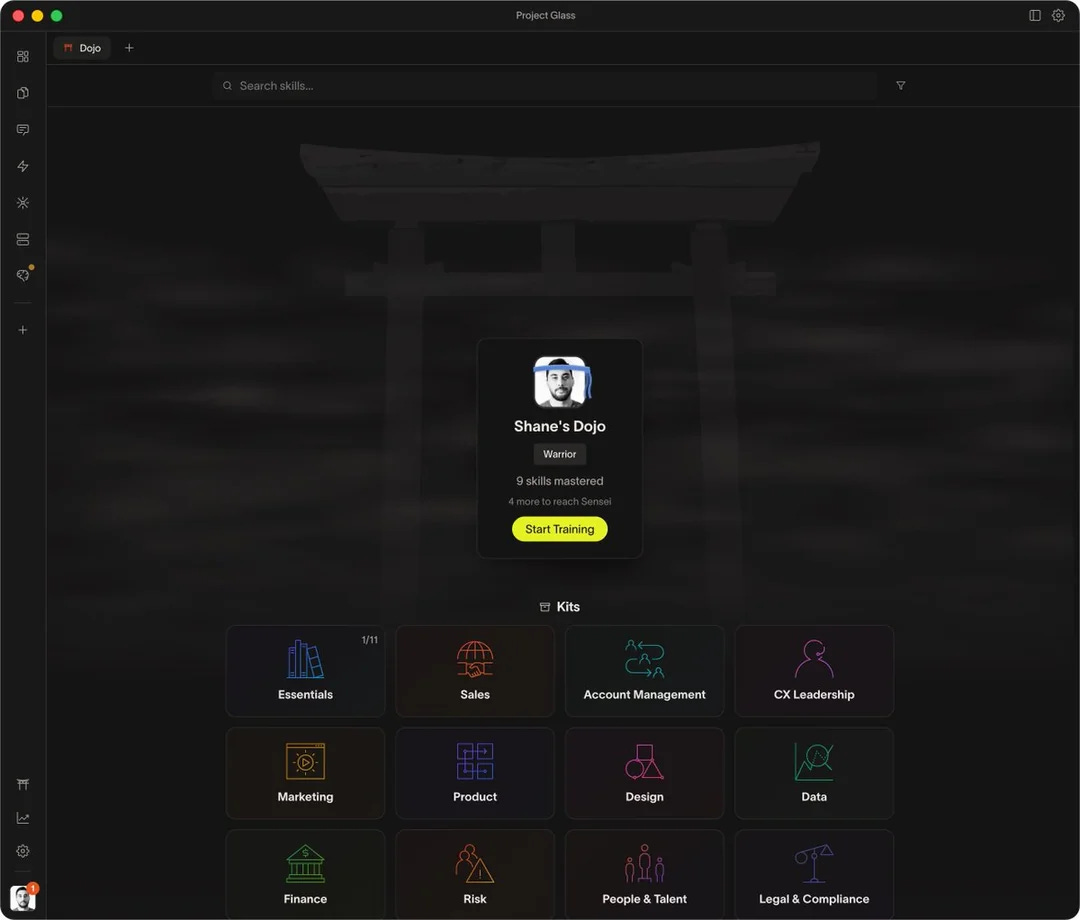
Hi, this is Gergely with a bonus, free issue of the Pragmatic Engineer Newsletter. In every issue, I cover Big Tech and startups through the lens of senior engineers and engineering leaders. Today, we cover one out of four topics from last week’s issue of The Pulse. Full subscribers received the article below seven days ago. If you’ve been forwarded this email, you can subscribe here. When I visited Ramp’s headquarters last month in New York, I talked with the four-person development team behind ‘Glass,’ which is Ramp’s “internal Lovable.” This name refers to Lovable.dev, the leading AI vibe-coding tool. Ramp’s ‘Glass’ is basically a vibe-coding platform for non-engineers to create complex applications which run internally. They can share the applications they make with others to use and modify. This is what the landing page looks like:
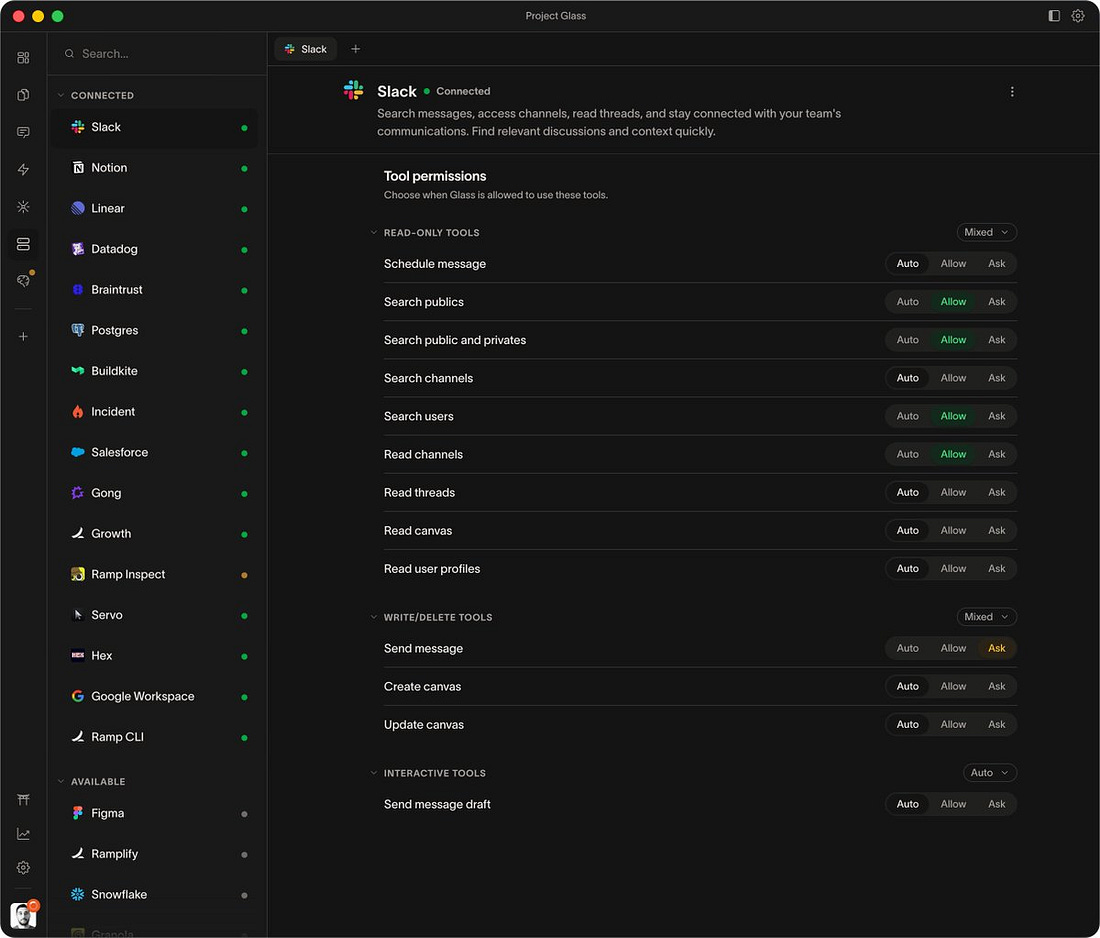
Users can connect various internal systems as “connectors” that can then be used as data sources for their apps:
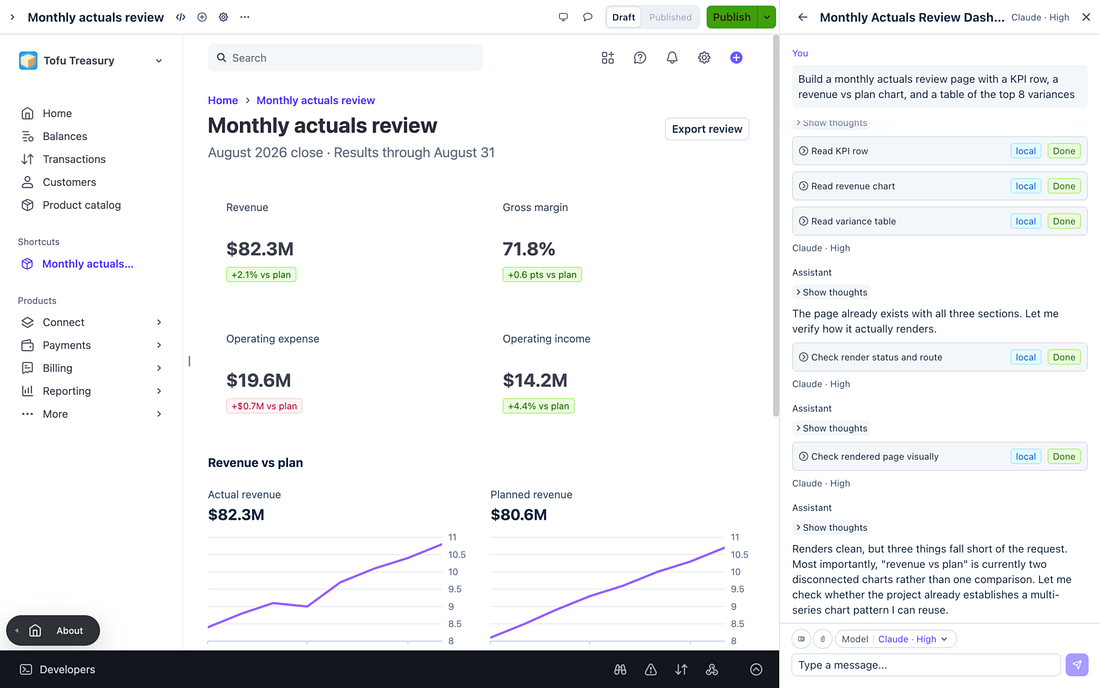
The team showed me a few popular apps, including a custom CRM built by someone in marketing, which had 50+ fields and filters on-screen. It seemed overwhelming to me, but the creator reportedly finds it extremely powerful to use. Since then, I’ve learned that many other mid-sized-and-above companies are building similar “internal Lovables” that don’t usually see the light of day in the outside world. As of today, Ramp has launched Glass as an external product, describing it as "An AI workspace where knowledge compounds." It's interesting to see Ramp productionizing a formerly internal-only tool! Stripe’s “internal Lovable”, HarborStripe shared details last month about its own vibe-coding tool (my words) that they refer to more elegantly as an “AI-assisted prototyping tool” called ‘Harbor’. It was built by a single engineer in around six weeks. Here’s an example of a prototype built with Harbor:
Why build your own internal “prototyping tool?”Lovable, Replit, Retool, and other vendors specializing in prototyping and building internal tools already exist, so what’s the point in bothering to build your own? Here are the main reasons I’ve gathered:
Among tech companies that have built their own coding agent harness that runs in their cloud, I expect many to build internal vibe-coding tools for non-engineers like Stripe and Ramp have done. After all, it’s not that complicated, gets much higher adoption than vendor products, and helps build out more AI infra expertise in-house. Read the full issue of The Pulse this is from, or check out this week’s The Pulse. This week’s issue covers:
You’re on the free list for The Pragmatic Engineer. For the full experience, become a paying subscriber. Many readers expense this newsletter within their company’s training/learning/development budget. If you have such a budget, here’s an email you could send to your manager. This post is public, so feel free to share and forward it. If you enjoyed this post, you might enjoy my book, The Software Engineer's Guidebook: navigating senior, tech lead, staff and principal positions at tech companies and startups.
|






Comments
Post a Comment